The Longevity Menu: Looking Young Is Sweeping the Nation
Walk any dining room and listen to how people order now. Guests who once asked what was rich are asking what is fresh. They want to know where the olive oil comes from, whether there is a vegetable-forward option that is not a side salad, and what they can drink that will not undo their morning. Behind those questions is one of the biggest consumer shifts of the decade: eating is no longer just about tonight. A growing share of your guests are ordering for their future selves — for energy, for health span, and yes, for how they look and feel as they age. Restaurant owners who treat this as a fad will menu-engineer themselves out of a generation of spending. The ones who treat it as a design brief will own it.
The demand is already in your dining room
Longevity has gone mainstream. Wellness culture, wearables, and an endless feed of nutrition content have produced guests who arrive with opinions about protein, fiber, sugar, and seed oils — whether or not those opinions are scientifically tidy. Alcohol consumption is softening among younger guests while premium non-alcoholic programs explode. “Anti-inflammatory,” “gut-friendly,” and “high-protein” have become search terms people use before choosing a venue. None of this means your guests have stopped wanting pleasure. It means they now want pleasure they do not have to apologize for — and they will pay a premium for it.
What a longevity-minded menu actually looks like
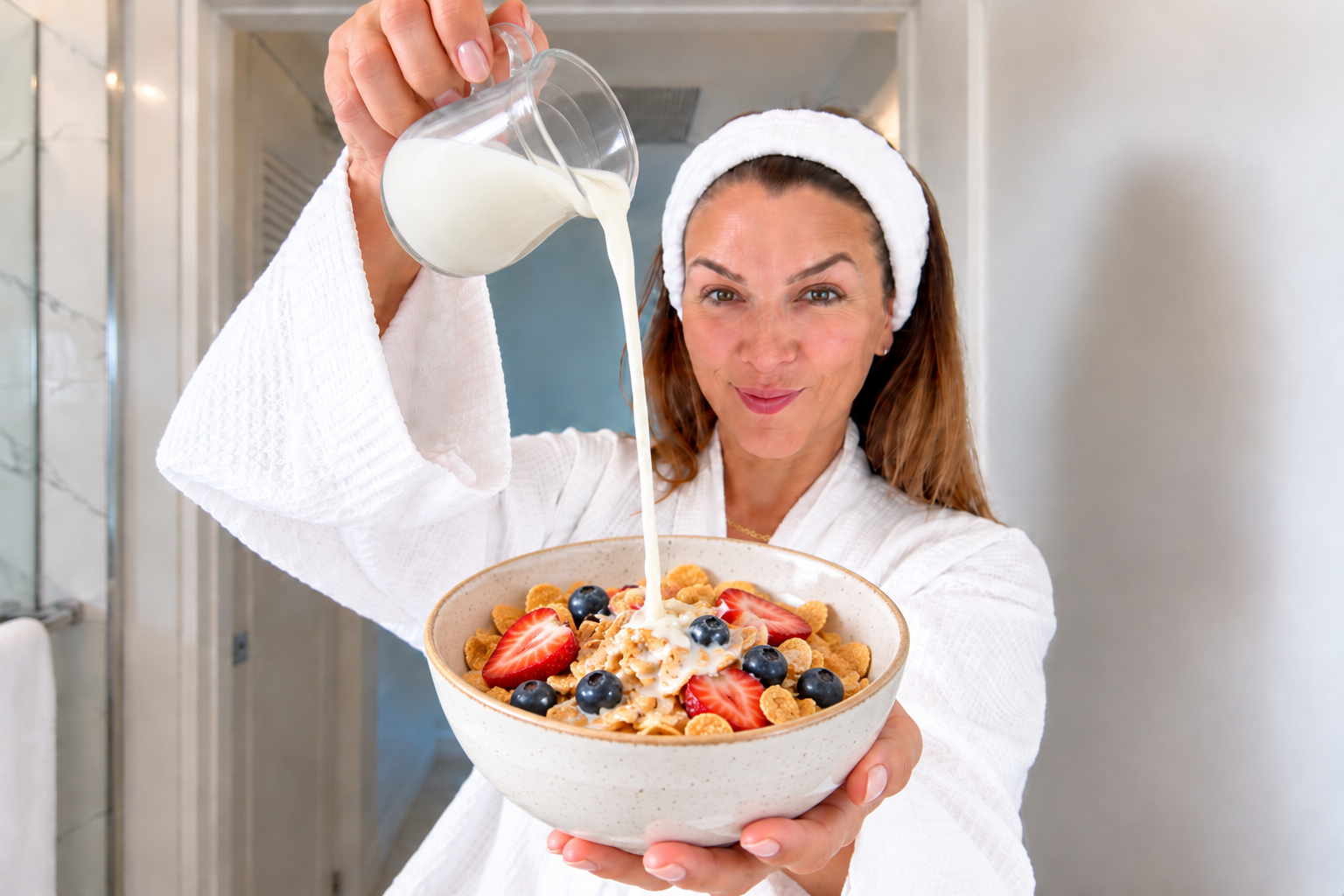
You do not need a lab coat, and you should not pretend to have one. The foods consistently associated with healthy aging are, conveniently, foods that already belong in good cooking: dark leafy greens and cruciferous vegetables; fatty fish rich in omega-3s; olive oil as the default fat; legumes, lentils, and whole grains; nuts and seeds; berries and deeply colored produce; fermented items like yogurt, kimchi, miso, and kraut; herbs and spices doing the work that excess salt and sugar used to do. Build dishes where these are the stars rather than the garnish — a grilled-fish plate with braised greens and white beans, a grain bowl that eats like a meal instead of a penance, a dessert built on fruit, dark chocolate, and restraint. This is Mediterranean and East Asian home cooking, elevated. It is not diet food, and it must never taste like it.
Rework, don’t replace
The mistake is bolting a “wellness” corner onto the menu where it dies quietly. Integrate instead. Swap the default cooking fat. Add one legume or whole-grain base to a dish guests already love. Offer every pasta with a vegetable-forward variant. Make the best non-alcoholic drink in your neighborhood — a real program with house-made sodas, teas, and zero-proof cocktails that cost and feel like adult drinks. Keep the burger; put a genuinely craveable plant-forward dish beside it. The goal is a menu where the longevity-minded guest finds five things they want, not one thing they will tolerate.
Say it carefully — and honestly
Here is where operators get hurt: the claims. Your menu is not the place to promise younger skin or a longer life, and in most jurisdictions health claims on menus invite regulatory trouble you do not need. The smarter move is to let ingredients do the talking. “Wild salmon, olive oil, charred broccolini, white beans” sells itself to the guest who reads wellness content, without promising medicine. Use honest language — “vegetable-forward,” “whole grain,” “house-fermented,” “zero-proof” — and train servers to describe dishes by what is in them and how they are made, not by what they allegedly cure. Authenticity is the positioning; overclaiming is the liability. If a guest asks whether a dish will help them live longer, the right answer is the honest one: it is cooked the way the longest-lived communities on earth tend to eat — and it tastes like it.
The margin story owners keep missing
Longevity eating is good business arithmetic. Legumes, grains, and seasonal vegetables carry some of the best food costs on any menu. Zero-proof cocktails deliver beverage margins without alcohol taxes. Health-minded guests skew toward earlier dayparts — breakfast, lunch, the 5 p.m. seating — exactly the hours most venues need to fill. And they are loyal: a guest who trusts how you cook becomes a three-visit-a-week regular in a way the special-occasion guest never will. This is not charity toward the kale crowd. It is cost-smart, daypart-smart menu engineering.
Start small, measure, and mean it
You do not relaunch the menu; you run the experiment. Add three dishes and one serious zero-proof drink. Track their velocity, their margin, and who orders them. Teach the kitchen why the olive oil changed. Photograph the new plates properly, because this food is beautiful and your guests’ feeds are your cheapest marketing. In six months you will know whether your neighborhood is telling you what neighborhoods everywhere are telling operators: the future-self guest is not coming. They are already seated. The only question is whether your menu was written for them — or for 2015.