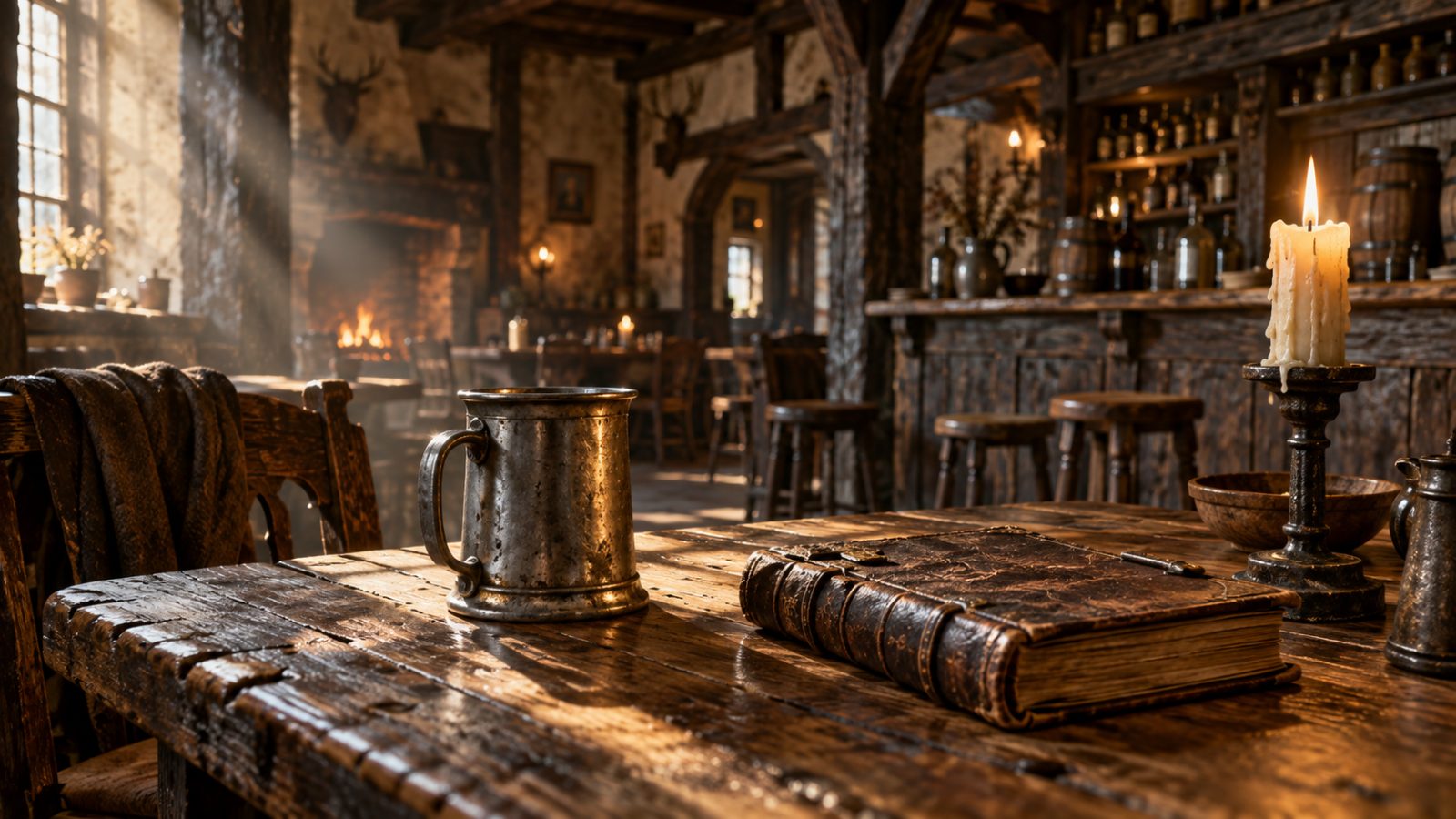
A Short History of the Tavern: From Roadside Inn to Third Place
Empires have fallen, currencies have collapsed, and entire industries have appeared and vanished — and through all of it, somebody was running a room where strangers could sit down, drink something, and talk. The tavern may be the oldest continuously operating business format in human history. That longevity is not an accident, and it has lessons for anyone running a bar or restaurant today.
The original hospitality business
Long before hotels or restaurants existed as categories, roadside houses along trade routes fed travelers, stabled their animals, and gave them a bed near the fire. The offer was simple and complete: safety, warmth, food, and company. Every hospitality concept since — from the coaching inn to the boutique cocktail bar — is a variation on those four promises.
Where the public met
The phrase “public house” is literal. For centuries the tavern was where news arrived, deals were struck, letters were left, and neighborhoods argued themselves into decisions. The room mattered because it belonged, informally, to everyone. Owners who understand this still run their venues as civic spaces first and beverage programs second — and their regulars behave like members, not customers.
The third place
Sociologists later gave this a name: the third place — not home, not work, but the room in between where community actually happens. Third places run on low barriers, regular faces, and conversation as the main activity. Every operator chasing “vibe” is really chasing this, and it cannot be bought from a design firm. It is earned through consistency, welcome, and time.
What survives
Three thousand years of taverns suggest a simple conclusion: formats change, but the fundamentals never have. People pay, generation after generation, for the same thing — a room that expects them, a host who remembers them, and the feeling of being somewhere rather than anywhere. Build that, and the trends will take care of themselves.